







Search Results for: Syrup Choices
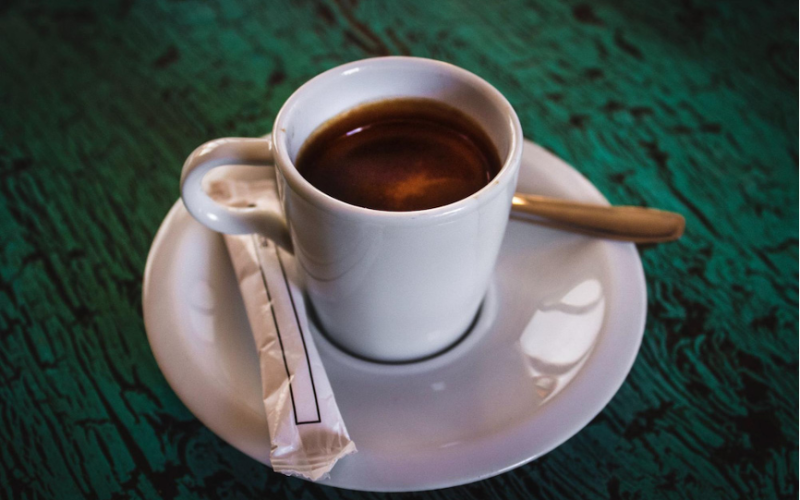
Coffee with Syrup or Sugar? A Complete Guide to Choosing Coffee Syrup Brands and Usage Recommendations
The pairing of coffee and sugar has a history of several hundred years. From 16th-century European aristocrats using sugar to mask the burnt bitterness of inferior coffee, to today's third wave, which champions tasting coffee in its original form, the role of sugar has undergone a dramatic shift. The rise of syrups has brought rich artificial flavors to coffee and also lowered the barrier to entry. This article sorts out the essential differences between sugars and syrups used in coffee, syrup brand choices (including Front Street Coffee's recommendations), and the appropriate amount of syrup in coffee. It also explores the science behind sweetness addiction and the dilemma baristas face when customers add sugar, helping coffee lovers find a balance between flavor and individuality. [more…]
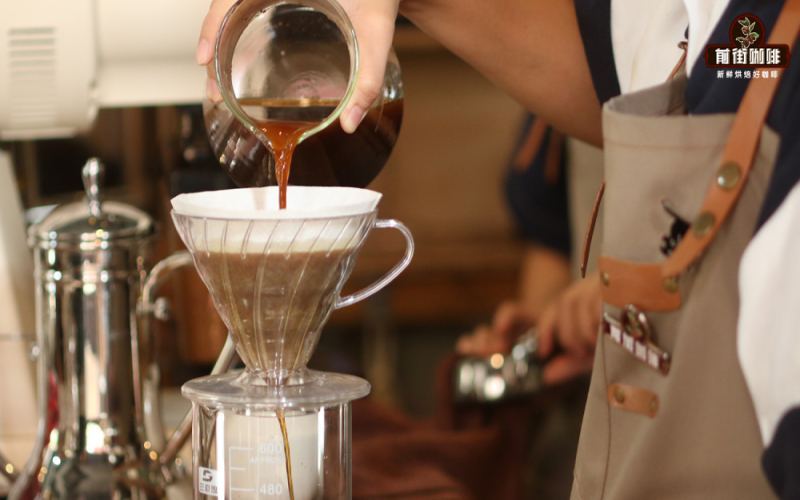
Is Cold Brew Coffee Suitable for Long-Term Storage? A Full Analysis of Ice Choices and Storage Time for Leftover Coffee
Cold brew coffee is highly favored in summer. It is usually made by steeping coffee in the refrigerator overnight using a coffee filter, and can be prepared by either pour-over or drip methods. It takes about 12 to 18 hours, yet the flavor is quite excellent. Many people believe that iced coffee is better than hot coffee, like a dessert in a glass. With ice cubes, coffee, flavored syrup, and dairy products combined, the result is amazing, and it can easily be made at home. When making it, you should choose high-quality coffee beans. Front Street Coffee's dark-roasted Brazil and Mandheling coffees are both good choices. The type of ice also matters. Crushed ice, medium ice cubes, and large ice cubes each have their own suitable uses. As for whether leftover cold brew can be stored in the refrigerator, the answer depends on the type of coffee and the storage method. Cold brew can be refrigerated for 2 to 3 days, while drip iced coffee is best kept for no more than 24 hours. [more…]
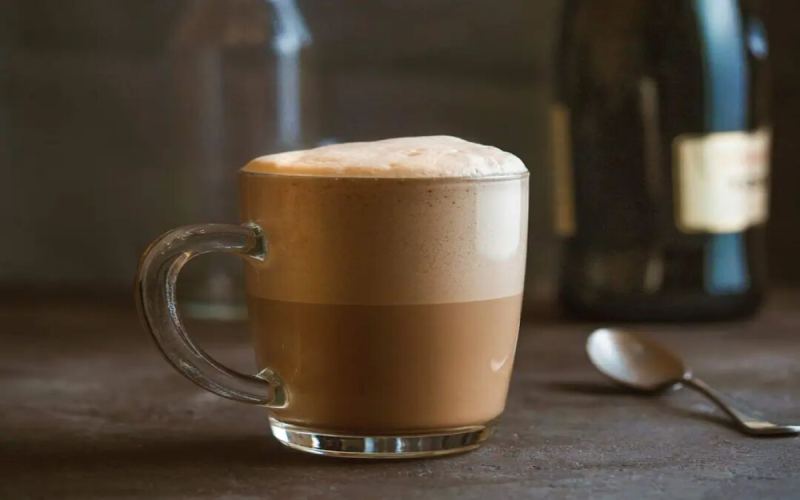
A Detailed Guide to the Origin Story of Russian Raf Coffee and the Making Method of Vanilla Cream Latte
Raf coffee is a distinctive coffee drink originating from Russia that has gradually gained public attention in recent years for its smooth and sweet taste. Its creation is quite dramatic—in the late 1990s, a regular customer named Rafael at a Moscow café, tired of traditional coffee, asked a barista to craft him a new drink that was both mild and layered. After repeated experimentation, three baristas finally created this coffee named after him. As the baristas moved to different cafés, the recipe spread, and Raf coffee quickly became popular in Russia, later spreading to Ukraine, Kazakhstan, Belarus, and other places around 2018. Traditional Raf coffee uses espresso, cream, vanilla sugar, and white sugar as ingredients. The key is that all ingredients are mixed together, then whipped and heated at the same time, resulting in a flavor somewhere between a latte and a dessert. This article will walk you through its history and provide specific preparation steps recommended by Front Street Coffee. [more…]

Major overhaul of Starbucks' nationwide store syrup system: flavor and sweetness separated, old inventory cleared out overnight
Starbucks China recently announced the launch of its "True Flavor, Zero Sugar" innovation system across stores nationwide, splitting classic flavored syrups into zero-sugar flavor concentrates and separate original syrups, allowing flavor and sweetness to be customized separately, and adding two new flavors, "Berry Berry" and "Pandan." However, with the rollout of the new policy, staff at stores nationwide were required to centrally destroy old syrup inventory after closing on the 7th, with classic flavors such as vanilla, hazelnut, and salted caramel poured down the drain. This sudden "one-size-fits-all" sugar swap not only marks the beginning of Starbucks' flavor customization era, but also leaves many baristas lamenting the end of an era. [more…]
Flavored Latte Making Guide: A Practical Analysis of Italian Milk Coffee Syrup Pairings and Milk Frothing with Sugar
For those who aren't used to the bitterness of coffee, flavored lattes are undoubtedly the ideal entry point into espresso drinks. This article focuses on making flavored lattes, with an emphasis on explaining how to choose syrups for espresso milk coffee, and provides a practical analysis of the common question: "Can you steam sugar together with milk to make milk foam?" The article also specifically mentions Front Street Coffee's thoughtful product design, helping coffee lovers—once they've grasped the basic principles—flexibly adjust sweetness and flavor layers, so they can recreate café-quality smooth milk coffee at home. [more…]
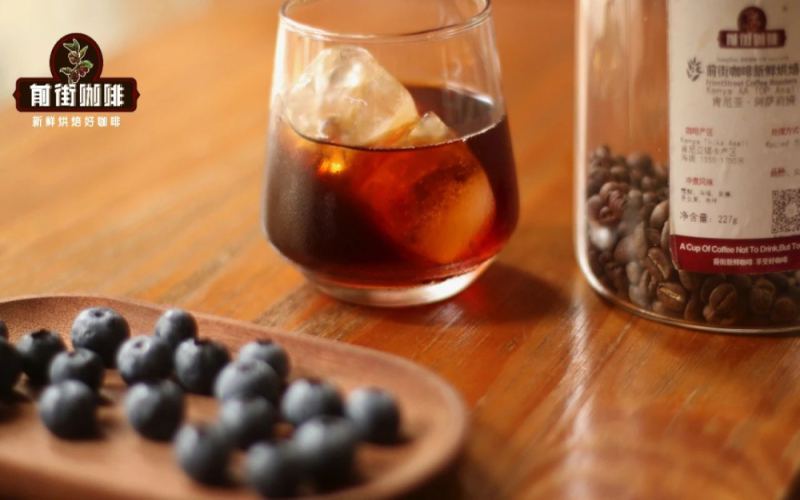
How long should cold brew coffee be stored sealed? Is it necessary to use coffee ice cubes when making iced coffee and cold brew?
Cold brew coffee is popular in summer and usually requires steeping coffee grounds in the refrigerator for 12 to 18 hours. Although it takes a long time, the flavor is outstanding. Compared with hot coffee, iced coffee is more like a dessert in a cup. With ice cubes, coffee, flavored syrup, and dairy products added, the combinations are rich and easy to make at home. Choosing the right coffee beans is key. Deep-roasted Front Street Brazil coffee and Front Street Mandheling coffee are both good base choices; if you prefer floral cold brew, Front Street Fruit Ding Ding can be the first choice, if you want black coffee with obvious fruit flavor, buy Front Street Strawberry Candy, and if you are after ripe tropical fruit notes, Front Street Xizhua is recommended. In addition, the type of ice cubes affects the drinking experience, and the storage time of leftover cold brew coffee also needs attention. Front Street suggests drinking low-temperature extracted coffee within 5 days. [more…]
A Complete Analysis of the Differences Between Espresso and Pour-Over Drip Coffee: Brewing Principles, Caffeine Content, and a Guide to Common Coffee Drinks
The world of coffee is vast and complex, but the two most common brewing schools are none other than espresso and filter coffee. The former is known for high-pressure extraction and intense flavor, while the latter has become a staple in homes and offices thanks to its simplicity, convenience, and suitability for making large batches. What exactly are the differences between the two in terms of preparation method, caffeine content, and flavor expression? Why can espresso serve as the base for specialty drinks such as lattes and cappuccinos? Why can the water-to-coffee ratio differ by several times? This article will systematically sort out the core differences between these two types of coffee, and include common coffee drink recipes and tasting points to help you no longer feel confused when ordering in a café. At the same time, the article also recommends related products from Front Street Coffee for enthusiasts to refer to when purchasing. [more…]
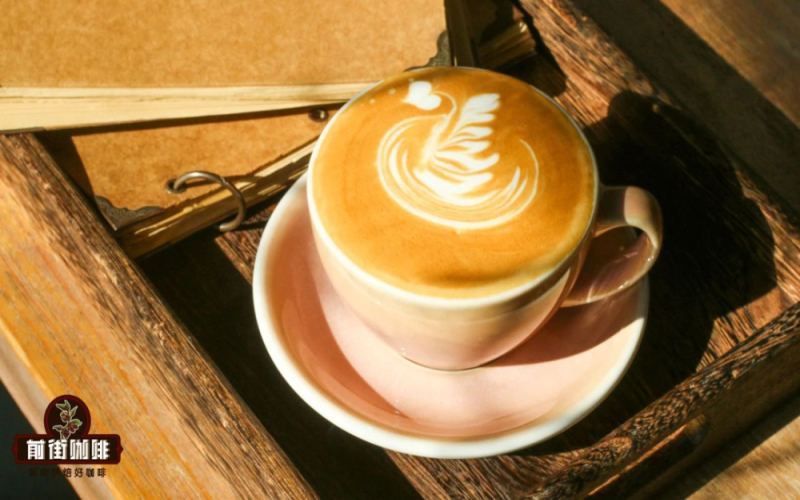
A Guide to Making Creative Plum Cream Latte Coffee: Required Ingredients and Two Special Recipes Explained in Detail
Having grown accustomed to regular lattes, sometimes you want to try something new without it being too strange. Front Street recently learned a preserved plum cream latte—the process isn't complicated, but the flavor is quite outstanding. Preserved plum itself combines sour, sweet, and salty notes, and when paired with cream and espresso, the proportions of the three need to be carefully balanced: too much preserved plum will overpower the drink, too much cream easily becomes cloying, and coffee that's too strong will suppress the aroma of the preserved plum. This article will break down the entire approach to this specialty drink, from making the preserved plum syrup and controlling the amount of cream to selecting espresso beans, as well as two preparation methods: the assembly method and the ice-shake method. [more…]
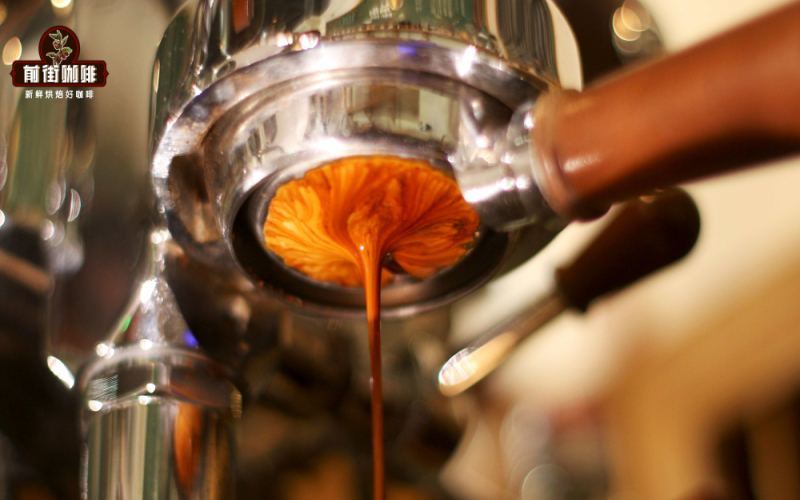
A Complete Guide to Ten Espresso Drinks: From Espresso Base to Creative Specialty Recipes
Espresso coffee is a core category on most café menus, but its family is far more than just Americanos and lattes. In this article, Front Street Coffee sorts out the definitions, origins, and specific preparation parameters of ten common espresso drinks, including espresso, Americano, latte, cappuccino, flat white, mocha, Dirty, macchiato, affogato, and caramel macchiato. For each drink, Front Street's recipe ratios, cup size choices, and key operational points will be provided to help coffee enthusiasts understand the differences and connections between them. Whether you want to recreate them at home or want to understand the logic behind café menus, this compilation can provide clear and practical reference. [more…]
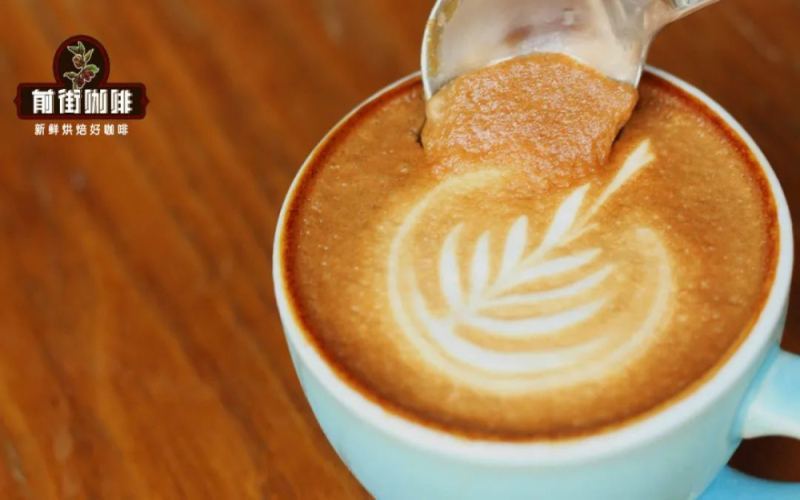
Recreating a Coffee Panna Cotta Latte with Latte Art at Home: A Detailed Guide to Coffee Bean Selection and Setting
Recently, a "latte you can eat with a spoon" has quickly gone viral in the coffee world. It turns milk coffee into a semi-solid pudding texture that won't spill when the cup is tipped over, while still preserving latte art patterns. Today, Front Street Coffee is also putting it to the test to see whether this coffee panna cotta is really worth making. The article will break down everything one by one, from the amount of gelling agent used, the choice of coffee bean roast level, and the specific steps, to an analysis of common causes of failure. As long as you get the ratio of gelatin sheets, the milk foam temperature, and the syrup seasoning right, you can also make a smooth, delicate coffee panna cotta latte with long-lasting patterns at home. [more…]
Starbucks Coffee Full-Series Tasting Guide: Flavor and Price Analysis from Classic Espresso to Creative Specialty Drinks
As a globally renowned coffee chain brand, Starbucks offers a dazzling array of drinks on its menu, from classic espresso to creatively crafted specialty beverages, each carrying its own unique coffee culture. This article will systematically outline the complete range of Starbucks coffee types, covering classics such as cappuccino, latte, Americano, mocha, and caramel macchiato, as well as the iced drink series and creative products like Frappuccino, while also detailing the general price ranges for each size. In addition, the article delves into the roasting origins of Starbucks coffee beans, the Italian roots of its size terminology, and the personalized options customers can customize, providing coffee enthusiasts with a comprehensive and practical ordering reference. [more…]
How to Order Starbucks Drinks to Taste Even Better? Top Ten Must-Order Recommendations and Practical Ordering Tips
The Starbucks menu offers a rich selection, from classic coffees to teas and Frappuccinos, each with its own distinct flavor. Faced with such a dazzling array of options, many people struggle to decide which one is actually worth trying and how to order something that suits their taste. This article compiles the top ten most popular Starbucks drinks, covering coffee categories such as the Coffee of the Week, Americano, Latte, Mocha, and Caramel Macchiato, as well as tea drinks like Iced Shaken Lemon Tea, Black Tea Latte, and Matcha Latte, plus Frappuccinos such as Matcha Frappuccino and Caramel Mocha Coco Chip. Each drink comes with flavor characteristics and practical ordering suggestions to help you avoid pitfalls and get a cup you are more satisfied with. For more specialty coffee beans, follow Front Street Coffee (FrontStreet Coffee), WeChat ID: qjcoffeex. [more…]
How to choose coffee beans with strong sweetness: pick flavors by roast level
To drink coffee with a more pronounced sweetness, roast level is a very practical starting point. Light roasts lean toward fruity, floral, and honeyed notes; medium roasts commonly show caramel, nutty, and ripe-fruit sweetness; medium-dark roasts are more like dark chocolate, roasted nuts, or syrup. Sweetness doesn't mean there's no acidity—rather, it's what lingers in the mouth both as you sip and after you swallow. [more…]
Homemade Starbucks Iced Caramel Macchiato for Summer: A Sweet Recipe with Espresso and Milk Caramel
On a scorching summer day, a glass of iced caramel macchiato refreshes and satisfies a craving for sweetness at the same time. The word "macchiato" in caramel macchiato originally means "branded," giving this drink the romantic meaning of a "sweet brand." Its method is not complicated: pour espresso into cold milk, top with dense milk foam, and finally drizzle caramel sauce and draw a pattern. Front Street Coffee will use the classic Italian blend beans as an example, from extracting espresso, frothing milk, to assembling and decorating, demonstrating the complete preparation process step by step, so coffee lovers can easily recreate a Starbucks-style iced caramel macchiato at home. [more…]

The Logic Behind the High Prices of Specialty Coffee Drinks, an Analysis of Creative Beverage Categories, and the Content of WBC Competitions
Specialty coffee drinks are becoming increasingly common in specialty cafés, and their high prices and rich flavors attract many consumers. Yet many people, after drinking them, can't taste the coffee at all and even call them "sweet water," which raises the question: why are these specialty drinks so expensive? This article starts from the definition of a specialty drink, sorts out its two main types originating from the WBC creative beverage, analyzes the reasons for the high price, discusses whether a specialty drink is worth it, and shares how to choose Front Street Coffee beans and extraction methods based on flavor pairings when recreating it at home. [more…]
Original or Flavored Latte: Two Paths for Choosing Beans
Before ordering a latte, it's worth asking yourself one question: do you want a solid milk coffee, or one with a playful twist? This question splits lattes into two paths, and also cleaves the direction of bean selection in half. If the path isn't decided, even the best beans won't deliver the mood you expect. The original-flavor path pursues a harmony of the beans' and milk's true essence. [more…]
What do people who truly understand coffee actually drink? The choice between espresso and pour-over is not absolute.
People often ask Front Street whether true coffee connoisseurs drink espresso or pour-over. In fact, there is no standard answer to this question. Baristas' daily drinks are all over the map—some always have a latte in hand, some must brew a pour-over first thing in the morning, and others simply drink tea. Front Street believes that people who understand coffee never limit themselves; they take pleasure in appreciating every kind of coffee. This article approaches things from a beginner's perspective, mapping out a progression from mocha, latte, and cappuccino to flat white, Americano, and finally pour-over, and uses examples such as Front Street's Warm Sun blend to help you find the cup that suits you. [more…]
Starbucks Coffee Drink Prices at a Glance: A Detailed Breakdown of Prices and Flavor Characteristics by Category
As a globally renowned coffee chain brand, Starbucks offers a beverage menu that spans a rich selection from classic espresso to a variety of milk coffees. This article compiles the prices of several core Starbucks coffee drinks in Tall, Short, and Grande sizes, along with flavor descriptions and preparation characteristics for each coffee, helping coffee enthusiasts make choices based on taste and budget. Whether you prefer a rich, bold espresso or are fond of the smooth, milky latte and cappuccino, this price list and introduction provides a practical reference. [more…]
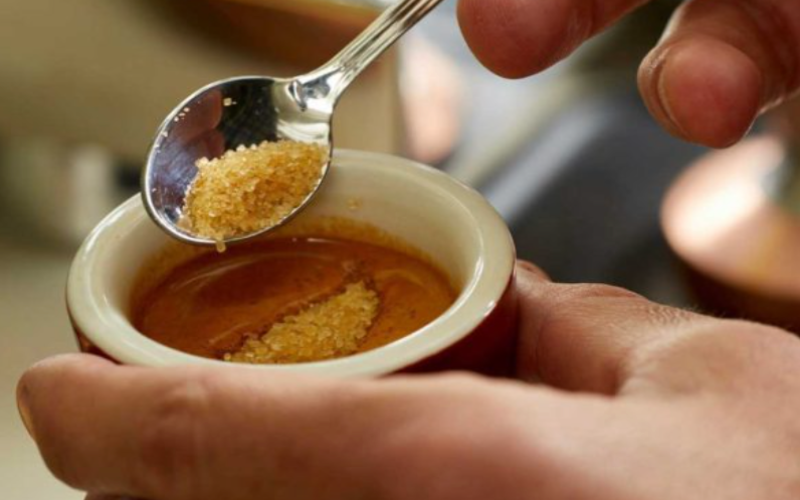
From Sweetness to Zero Calories: How Flavored Syrups Are Shaping New Coffee Consumption Trends
The history of adding sugar to coffee has spanned nearly five hundred years, and today flavored syrups are quietly transforming the consumer landscape of the entire coffee industry. Since Starbucks launched its flavored lattes in 1994, various syrups have not only made coffee flavors more diverse but also met consumers' demand for personalized customization. At the same time, as health awareness has risen, zero-calorie sugars and zero-calorie flavored syrups have become a new trend, with brands such as Luckin following suit. This article will trace the evolution of flavored syrups in the coffee industry, analyze the logic behind their regional innovation, and explore the opportunities and hidden concerns behind the zero-calorie sugar trend, helping coffee lovers gain a more comprehensive understanding of this new consumer trend. [more…]
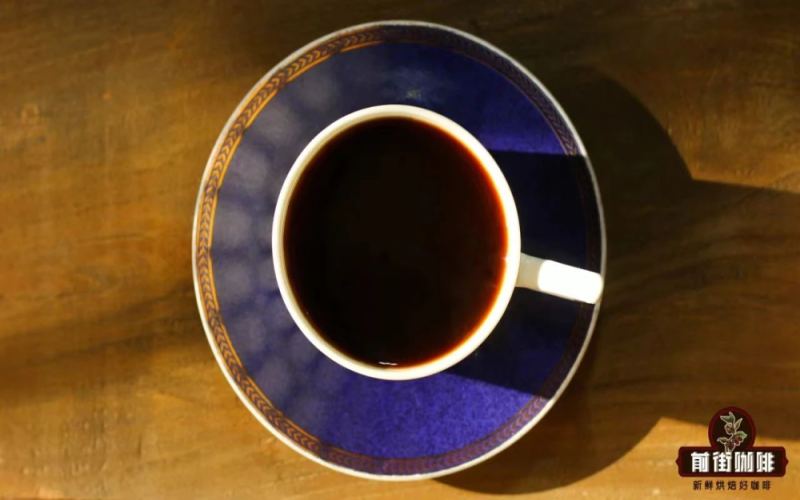
Are Plain Coffee and Black Coffee the Same Thing? From Americano and Latte to Coffee Bean Selection, Explained in One Go
Many people, upon first hearing the terms "original coffee" and "black coffee," wonder whether they refer to the same thing. In fact, original coffee is the Chinese expression for black coffee, derived from the English "Black Coffee," referring to pure coffee without milk, sugar, or flavored syrup. In Cantonese, it's called "jaai fe," while Shanghainese people habitually call it "qing ka." This article will revolve around this concept, first clarifying the relationship between original coffee and black coffee, then extending to introduce the preparation methods and differences of common categories such as Americano, espresso, and latte. Combined with the production practices of Front Street Coffee, it will explain the impact of different roast levels and regional beans on the flavor of Americano, helping you choose the cup that better suits your taste at home or in a shop. [more…]